
Chronic pain sometimes continues even after an injury has healed or other treatments have been exhausted. Peripheral nerve stimulation (PNS) takes a different approach by targeting the nerves carrying pain messages rather than relying solely on medication. Anchor Spine & Joint offers peripheral nerve stimulation for qualifying patients at its offices in Tampa, Riverview, Odessa, Pinellas Park, and Lutz, Florida. Call the nearest office or schedule a consultation online to explore your options.
What is peripheral nerve stimulation?
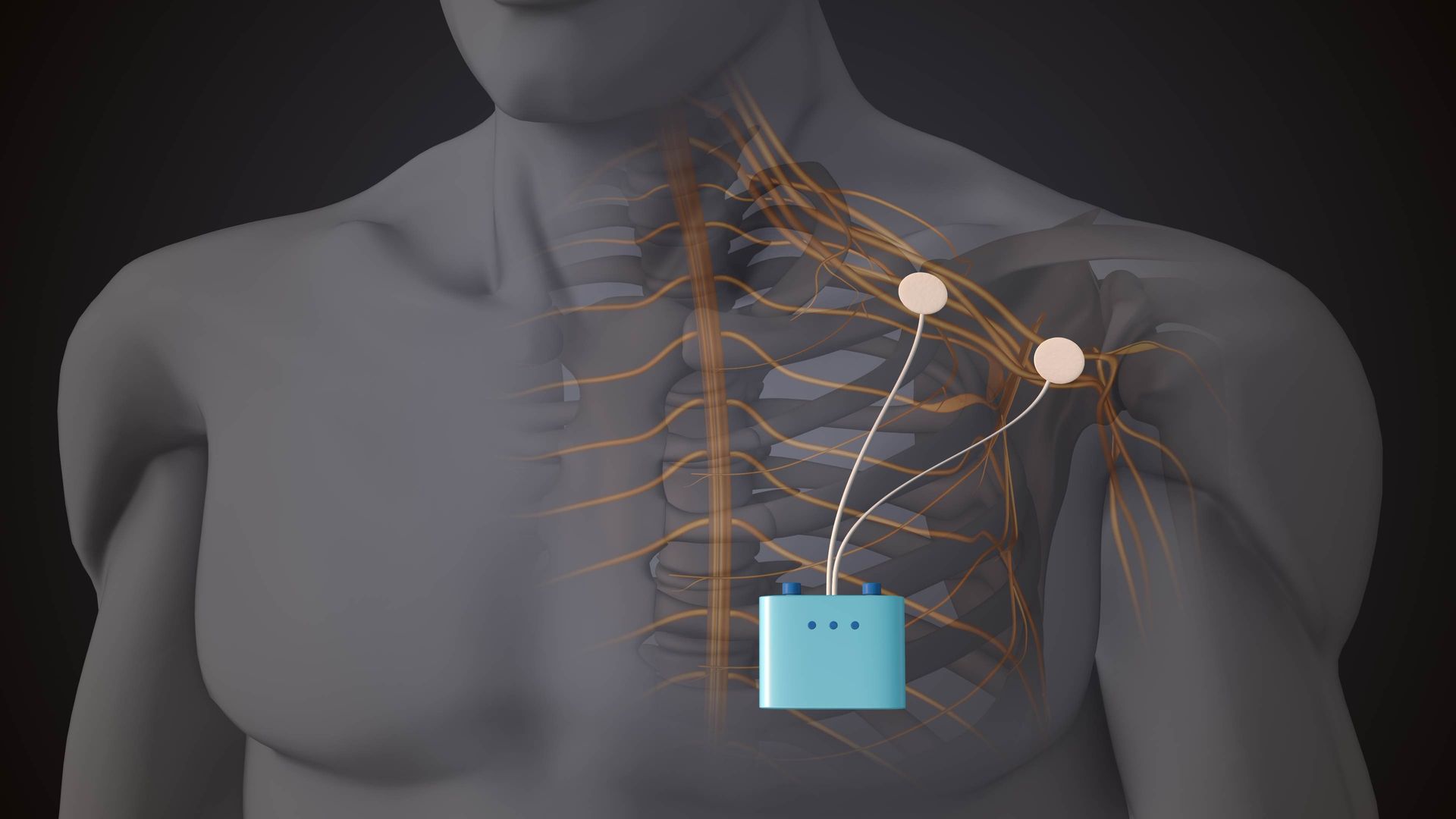
Peripheral nerve stimulation (PNS) is an FDA-approved, noninvasive, advanced treatment for chronic pain that hasn’t improved with other strategies or therapies. Your provider at Anchor Spine & Joint places a small medical device near one of the nerves outside your brain and spinal cord, called the peripheral nerve.
The device emits gentle electrical pulses to interrupt pain signals before they reach your brain. By targeting the nerves directly, PNS can significantly relieve pain that’s had you sidelined.
What conditions can peripheral nerve stimulation treat?
PNS is often recommended for patients with nerve-related or musculoskeletal pain that persists despite other interventions. It can be beneficial for a range of chronic conditions, including:
- Lower back pain
- Neck pain
- Post-surgical nerve pain
- Complex regional pain syndrome (CRPS)
- Peripheral neuropathy-related pain
- Migraines
- Chronic pain
- Post-herpetic neuralgia
PNS is especially valuable if you haven’t had success with medications, physical therapy, or injections. By targeting specific nerves, the therapy can help reduce the need for ongoing medication use and can restore mobility and function that the chronic pain has limited. Once nerve pain is controlled, you can return to the activities you enjoy.
What can I expect during peripheral nerve stimulation?
Anchor Spine & Joint uses a minimally invasive approach to perform PNS.
Your provider places a thin wire called a lead near the affected peripheral nerve. The device delivers mild electrical pulses, which you’ll perceive as a light tingling sensation. Soon after the device is activated, you’ll begin to feel relief.
The process generally involves two steps:
- Trial period: your provider places a temporary system for 3-7 days to see if it works and if you experience any adverse side effects
- Permanent implant: if the trial is successful, your provider implants the device for long-term use
Follow-up care at Anchor Spine & Joint ensures the device is working correctly, and your provider can make adjustments to maximize the benefits. You’ll be able to resume your routine with minimal downtime.
To learn more about how PNS works to relieve ongoing nerve pain and if you’re a candidate, call the office closest to you to schedule a consultation, or book online any time.
How does peripheral nerve stimulation manage pain?
Your peripheral nerves form a communication network between your brain and spinal cord and the rest of your body. When certain nerves become involved in chronic pain, they can continue transmitting pain signals that affect your comfort and function.
Peripheral nerve stimulation uses mild electrical impulses to influence those signals.
A small electrode placed near the nerve delivers controlled stimulation. Rather than removing or destroying the nerve, PNS changes the way pain signals are transmitted and processed.
When might my provider recommend PNS?
Peripheral nerve stimulation isn’t typically the first treatment used for pain. Your Anchor Spine & Joint provider may consider it when your symptoms are persistent and more conservative approaches haven’t delivered adequate relief.
PNS may be an option for certain types of:
- Peripheral nerve pain
- Neuropathic pain
- Persistent postsurgical pain
- Pain following an injury
- Chronic musculoskeletal pain
The location and underlying cause of your symptoms play an important role in determining whether nerve stimulation is appropriate.
What is involved in peripheral nerve stimulation?
Treatment begins by identifying the specific nerve associated with your pain. Your provider reviews your symptoms, medical history, previous treatments, and relevant diagnostic testing.
If PNS is appropriate, your provider positions a small electrode close to the targeted peripheral nerve. The device then delivers mild electrical stimulation to the area.
There are different types of peripheral nerve stimulation systems, including temporary and longer-term approaches. Your provider recommends an option based on your condition and treatment goals.
What is recovery from PNS like?
Recovery depends partly on the type of stimulation system you receive. Your provider gives you detailed instructions about caring for the treatment area, activity restrictions, and how to use your device when applicable.
Temporary soreness near the placement site can occur. Your team also monitors your response to treatment over time to determine how effectively stimulation is managing your symptoms.
Peripheral nerve stimulation can provide another avenue for managing persistent pain when other options haven’t been enough. Call Anchor Spine & Joint or book online to schedule an evaluation and learn whether PNS is appropriate for you.